Ceramic Coating
How to Wash and Maintain a Ceramic Coated Car
Wash coated paint with clean tools, a compatible shampoo and gentle technique. Follow this step by step routine to keep your ceramic coating performing well.
- 6 Min Read
- By Elite Auto Detailing
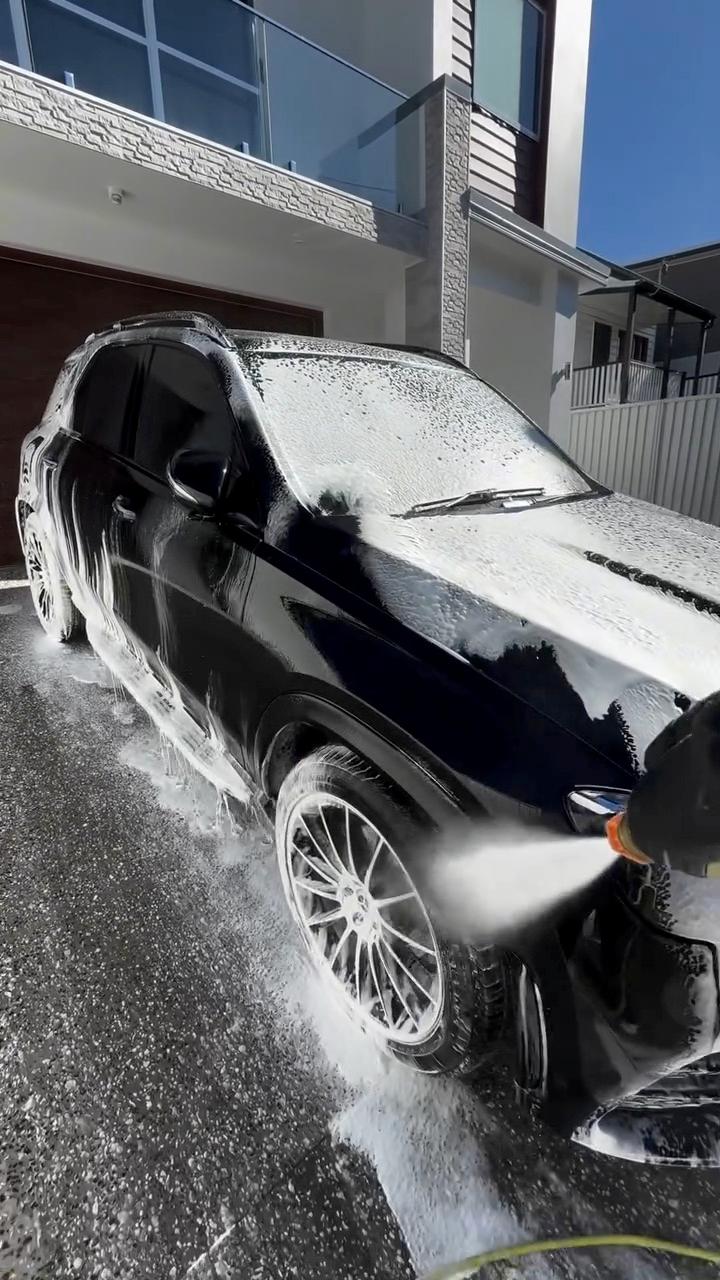
Learning how to wash a ceramic coated car is straightforward: remove loose grime first, use clean and separate tools, wash with a compatible car shampoo, rinse thoroughly and dry without dragging contamination across the paint.
The coating makes maintenance easier, but technique still matters. A coating can be scratched, contaminated and water spotted. Where the advice you were given for your coating differs from the general guidance here, follow that advice.
If Elite Auto Detailing coated your car, any advice specific to your job comes first. If you are unsure when the first wash can happen or which products suit the coating, ask when you collect the car, or call 0406 962 118 afterwards.
Before the First Wash
Confirm when the coating can get wet, when the car can be driven normally and when it can be washed. Curing requirements vary with the product and the conditions it was applied in, so there is no universal waiting period that applies to every coating.
If bird droppings or another harsh contaminant lands on the car in the first period, get product specific advice rather than leaving it to sit.
If something harsh lands on a car Elite has just coated, call 0406 962 118 rather than leaving it or scrubbing at it. We are open 8am to 5pm, six days a week.
What You Need to Wash a Coated Car
A practical kit can include:
- a pressure washer or hose, where local rules allow
- a compatible pre wash for heavier grime
- a coating safe car shampoo
- clean wash mitts
- separate wheel and tyre tools
- two buckets, or a controlled rinseless method
- soft drying towels or a filtered air blower
- a compatible drying aid, if it suits your coating
There are several safe methods. Product compatibility, clean towels and how dirty the car is matter more than owning a particular number of buckets.
You do not need a particular brand or an elaborate kit. If you are unsure whether a shampoo or drying aid suits the coating on your car, ask before you use it.
Step 1: Choose Suitable Conditions
Work on cool panels in shade where you can. Heat and wind make water and products dry too quickly, which leaves spots and streaks.
In Queensland, heat is the main challenge. A dark car in the sun can get hot enough to dry shampoo and water on the panel almost immediately. Wash early in the morning or later in the afternoon, and keep an eye on the sky in summer, because washing just before a Brisbane storm rolls through is wasted effort. Check any water use rules that apply where you live.
If the car is too hot, move it, wait, or leave the job for another day rather than racing against drying products.
Step 2: Clean the Wheels With Separate Tools
Wheels carry brake dust and road grime that should never be transferred to the paint. Use products that suit the wheel finish and any coating on the wheels. Work one wheel at a time and do not let products dry on the surface.
Strong acidic or alkaline wheel cleaners have their place in professional decontamination, but do not assume they are safe for every finish or coating.
Step 3: Pre Rinse or Pre Wash
Remove as much loose dirt as you can before anything touches the paint. Rinse the wheel arches, lower panels, grille and crevices thoroughly. A pre wash product can loosen traffic film, but thick foam alone does not prove it is cleaning well.
A practical approach: on a lightly dusty coated car, a thorough rinse may be enough before the contact wash. After a week of motorway driving or a storm, a pre wash on the lower panels and the front end first saves a lot of rubbing later.
Step 4: Do a Controlled Contact Wash
Use clean wash mitts and a compatible shampoo. Work in small sections from the top down, lifting dirt away rather than rubbing it around. Rinse or swap the mitt often. The lower panels hold the most road film, so they are worth a separate mitt.
Do not press harder on stubborn spots. Deal with them separately after the main wash.
Step 5: Rinse Thoroughly
Rinse shampoo out of seams, mirrors, trim and badges. Watch how the water behaves, but do not judge the coating while film or product residue is still on the surface.
Some coatings bead tightly, while others sheet water off quickly. Both can be normal.
Step 6: Dry Safely
Do not leave mineral rich water to evaporate on the paint. Use clean, soft drying towels with light pressure, or filtered air. A compatible drying aid can reduce friction if it suits the coating.
Never wipe a dusty or rain spotted car dry. Wash it first.
When the car needs more than a home wash, for example after a long road trip or when contamination will not shift, a professional detail can bring it back to a clean baseline without harming the coating.
How Often Should You Wash It?
Wash it when it is genuinely dirty, which is often every one to three weeks for a daily driver, adjusted for where it is parked, how it is used and the weather. Bird droppings, bugs, sap and spills should come off sooner.
For an outdoor daily driver in Logan, a wash every week or two is a sensible target, with bird droppings and bugs dealt with as they appear. A garaged weekend car can often go longer, washed whenever it is actually dirty.
How Do You Deal With Weak Beading?
Start with a thorough wash. If the behaviour is still uneven, bonded contamination or mineral build up may need decontamination with products that suit the coating. Avoid aggressive clay or polishing without an assessment, because clay can mar the surface and polishing can remove the coating.
If a proper wash does not bring the surface back on a car Elite coated, get in touch before assuming the coating needs replacing. Contamination or mineral build up may be the real issue, and that is worth ruling out first.
Products and Habits to Avoid
- automatic brush washes
- household detergent
- dirty towels or mitts that have been dropped
- dry dusting
- abrasive polish used as a cleaner
- waxes or sealants over the coating that have not been checked for compatibility
- strong chemicals left to dry
- hard water left to evaporate again and again
- scrubbing at bugs or bird droppings
Touchless washes are a compromise: no brushes, but often strong chemicals and incomplete removal of traffic film.
Do You Need a Topper?
Only if it is compatible with your coating and actually useful. Toppers can renew slickness and water behaviour, but they can also mask the base coating when you are trying to work out how it is going. More product is not automatically better.
If you want to use a topper on a coating we applied, ask which type suits it first. The wrong product can make the surface harder to read and harder to clean.
When Should a Professional Look at the Coating?
Ask for help if the surface still feels rough after washing, water spots will not shift, panels behave unevenly, scratches need correcting or the car has been hit with overspray or harsh chemicals.
Make Safe Washing Repeatable
Elite Auto Detailing coats and details cars and motorcycles across Brisbane and Logan, from the Loganholme studio and through its mobile services.
If you have questions about washing a coated car, or it is ready for a professional clean, call 0406 962 118 or send an enquiry through the website.
Next Step
Get A Quote For Your Car
Send the make, model and what you want done, and you will get a quote built around your vehicle, studio or mobile. Up To $300 Credit Towards Your Custom Quoted Service, claimed with your website enquiry.