Ceramic Coating
What Happens Before a Ceramic Coating Is Applied?
Ceramic coating preparation can include washing, decontamination, paint inspection, optional correction and a final surface clean before the coating goes on.
- 6 Min Read
- By Elite Auto Detailing
Ceramic coating preparation normally includes a thorough wash, an assessment of the paint, removal of bonded contamination and a final surface clean so the coating can bond. Paint correction may be added when there are defects and you want them improved, but it is not automatically required on every car.
Preparation matters because a coating is clear and designed to stay on the car for a long time. Dirt, wax, residue and visible defects left underneath will not be fixed by putting a coating over them.
At Elite Auto Detailing, preparation is quoted as part of every coating job, and how much is involved depends on the car. A new car with clean paint needs less than an older daily driver with years of road film, and paint correction is only added when the vehicle's condition and your goals call for it.
Step 1: Confirm the Vehicle and Your Goal
The detailer should establish which surfaces are being coated, what you expect and how the car will be looked after. An owner who mainly wants easier washing may need different preparation from an enthusiast chasing a big reduction in swirls.
Existing protection, paint repairs, wraps, matte finishes and sensitive aftermarket parts should all be mentioned upfront. When you enquire, include those details along with the result you are after. The more that is known at the start, the more accurate the quote.
Step 2: Inspect the Condition
An inspection can reveal swirls, water spots, overspray, stone chips, clear coat failure or repainted panels. Good lighting is essential. Paint thickness readings add information where they are appropriate, but they do not identify every layer or remove all of the risk from polishing.
Some defects need body repair, not detailing. A coating should never be presented as the answer to peeling clear coat, rust or deep damage.
Elite assesses paint correction on the vehicle's condition, which is another way of saying the inspection decides the correction, not the other way round.
Step 3: Complete a Safe Wash
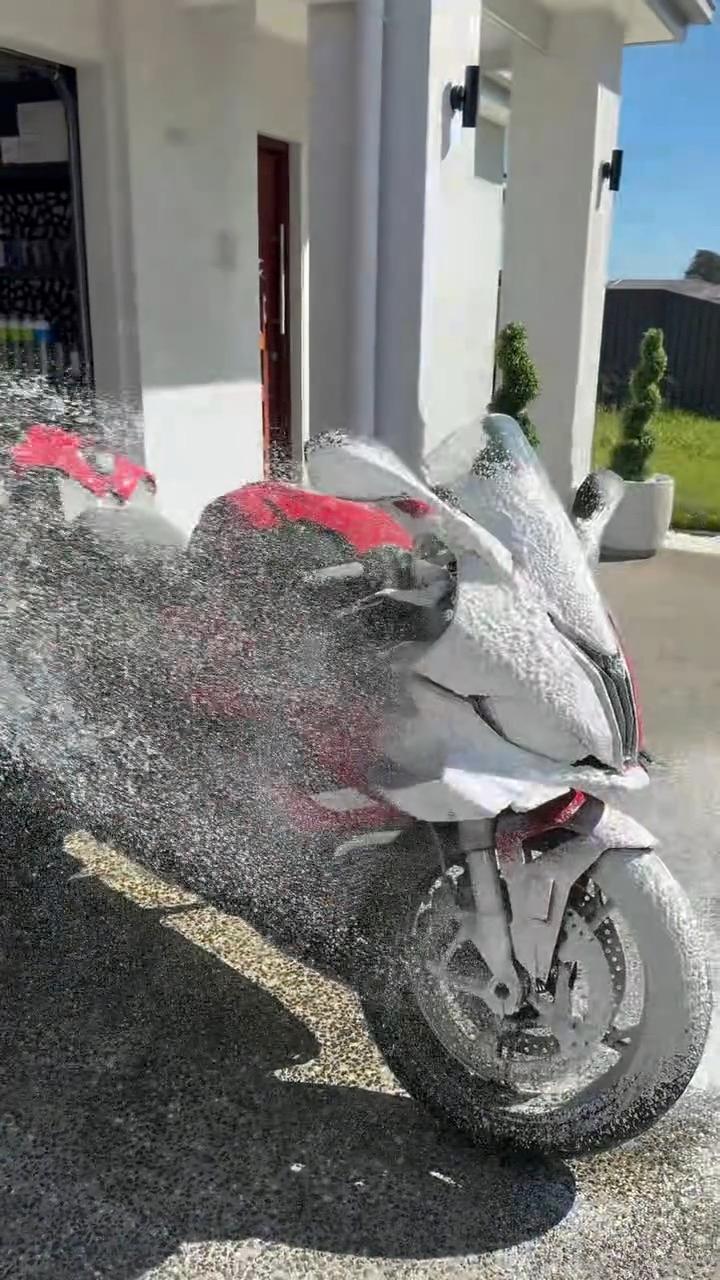
Loose dirt and traffic film have to come off before anything more involved touches the paint. This stage can include cleaning the wheels, a pre wash, a contact wash, cleaning crevices and careful drying. Clean tools and suitable products reduce the chance of adding marks before the coating goes on.
In Brisbane, timing matters here. A car that has just come through a summer storm or down the M1 arrives with fresh grime and bug residue that needs to come off properly first, and humidity can slow drying. None of that changes the steps, but it can change how long they take.
Step 4: Remove Bonded Contamination
Iron deposits, tar, sap, mineral residue and other bonded material can stay on the paint after washing. Chemical decontamination targets some of these. Clay or another mechanical method may be used where it is appropriate, but it can cause light marring and should not be automatic.
The paint should be checked again after decontamination, because hidden defects become much easier to see once the surface is truly clean.
A good rule: start with chemical decontamination, check the paint, and only move to clay where the surface still feels rough. Clay should earn its place rather than be a fixed step.
Step 5: Decide Whether Paint Correction Is Needed
Correction uses abrasives to reduce defects in the clear coat. It can improve swirls, haze, oxidation and some scratches within safe limits. Deep scratches, chips and clear coat failure will remain.
There are three common paths:
- Clean and prepare only: for stable paint that is already in good condition.
- A single stage enhancement: for a worthwhile lift in gloss and a reduction in lighter defects.
- More involved correction: for owners after a bigger reduction in defects, where the paint allows it.
There are no fixed correction tiers to pick from here. Paint correction is assessed on the vehicle's condition, and the level suggested for your car is set out in its custom quote alongside the coating option and the surfaces covered.
If swirls are your main concern, say so when you enquire, so the paint can be assessed before a level of correction is suggested.
Step 6: Refine and Clean the Surface
Polishing residue, oils and old protection have to be removed with a method that suits the coating. The goal is a clean, stable surface that lets the coating go on evenly.
This stage is not about wiping the paint with the strongest solvent available. Sensitive finishes, fresh paint, trim and wraps all need suitable methods. It is careful, unglamorous work, and it is one of the reasons a coating quote covers far more than the product in the bottle.
Step 7: Get the Application Conditions Right
The car needs to be dry, and the conditions need to fall within the product's instructions for temperature, humidity, lighting and exposure to moisture. Dust, wind and rain can affect work done outdoors, and even indoors, cleanliness and process still matter.
Elite works from a studio at 34 River Park Drive, Loganholme, and also offers mobile services across Brisbane and Logan. Where a coating is best applied for your car is part of the quote, based on the product's needs and the conditions available.
How Long Does Preparation Take?
It can take several hours, or more than a day, depending on the car's size, contamination and the correction involved. Applying the coating is often a smaller part of the total job than owners expect. Curing and collection timing then depend on the product.
We confirm how long your car will be needed when it is quoted, because the answer depends on its size, condition and the preparation involved.
Can a Coating Be Applied Without Polishing?
Yes, when the paint is stable, clean and looks acceptable to you. Polishing is not something every product or car needs in order for the coating to bond. It is done to improve appearance or remove specific residue when it is needed.
On the other hand, calling a quick wash enough preparation for every car is unrealistic. Decontamination and paint condition still need to be assessed.
Does Preparation Change for Matte Paint or Wraps?
Yes. Matte finishes should not be polished in the usual way, because changes to the sheen can become permanent. Wraps need cleaning methods that suit the material, and abrasive work can damage the surface or the edges. Each surface also needs a coating suited to that material.
Identify every surface before the quote. One car can have painted panels, vinyl accents, gloss trim and fresh body repairs that each need a different approach.
Why Can Preparation Change the Quote?
A description, or even a photo, may not reveal bonded contamination, how hard the paint is, previous repairs or how deep a defect goes. A good quote should explain what happens if something unexpected turns up.
If preparation reveals something that changes the job, such as a repaint that will not respond to correction the way the rest of the car does, the right move is to stop and talk it through before going any further.
What Should You Do Before Drop Off?
Follow any instructions you are given. Common steps include removing personal items, not applying a fresh wax or sealant in the days before, mentioning any repairs and arranging transport for a longer booking. Do not attempt aggressive DIY polishing right before a professional assessment.
The Finish Is Built During Preparation
Elite Auto Detailing provides ceramic coating in Brisbane and Logan, led by owner and ceramic coating specialist Ismael Khan, with 3, 5 and 7 year options across paint, glass, wheels and interior surfaces as agreed in each quote.
To find out what preparation your car would need, call 0406 962 118 or send an enquiry. You will get a custom quote setting out the preparation, any correction and the coating option, and website enquiries can claim up to a $300 credit towards a custom quoted service (not combined with other promotions).
Next Step
Get A Quote For Your Car
Send the make, model and what you want done, and you will get a quote built around your vehicle, studio or mobile. Up To $300 Credit Towards Your Custom Quoted Service, claimed with your website enquiry.